
What is the first ingredient that pop up in your mind when you think about bread making. I am sure it is Yeast.
Bread is a staple food for thousands of years and still it is the most consumed food item. Bakers always have been using Yeast to create soft and chewy texture in bread.
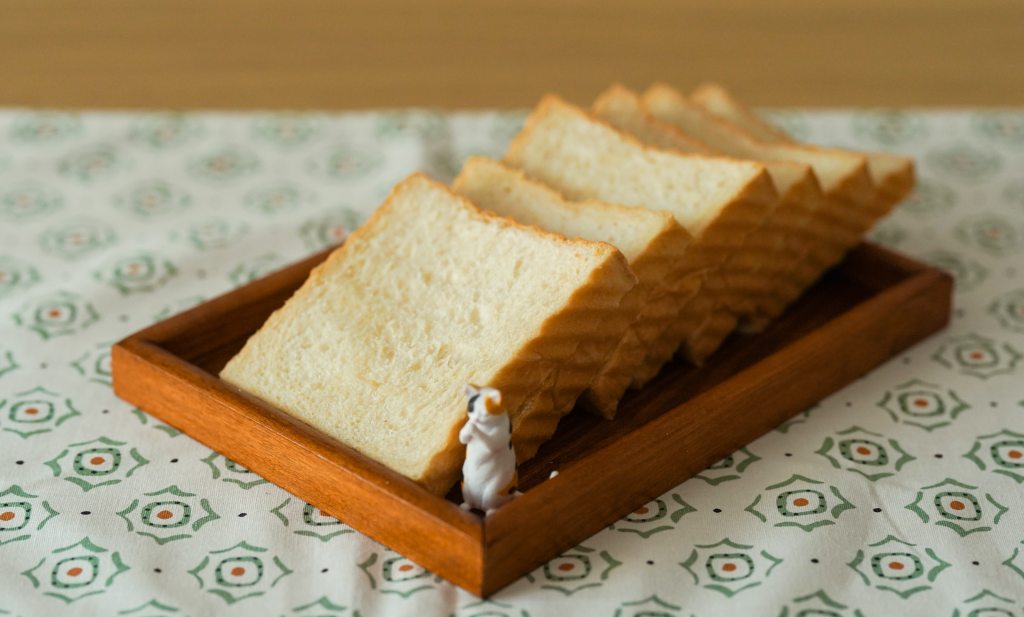
I’ve always been excited about bread rise. I love to see the bread dough increasing its volume. Baking with yeast used to scare me a lot. But once I began to understand that yeast is simply another ingredient in the bowl, my fears subsided. As soon as you begin with easy yeast recipes, your confidence builds.
Whether you’re a professional baker or beginner, it’s important to understand how yeast works. It’s time to tackle your fear of yeast and bread baking!
What is Yeast
Yes, yeast is alive! But wait, don’t be scared — turning yeast into beautiful loaves of bread does not need to be as scientific or scary as you might think. Truth be told, there is a lot science in all baking, but let’s not let yeast and bread-making shy us away from learning something new when the results are so rewarding.
Yeast is a single-celled microorganism in the Fungi kingdom. These Microorganisms exist all around us- in soil, on plants and even in the air. There are some good yeasts which help in bread and beer making and some bad microorganisms which make us ill. There are more than 1500 types of microorganisms from which ‘Saccharomyces Cerevisiae’ is the only one that is used in the kitchen. Saccharomyces Cerevisiae is sugar eating fungi. Other than bread making, the same species is used in beer brewing, winemaking, and pharmaceutical industry.
Yeasts survive by eating carbohydrates like fructose, glucose and use their enzymes to break the sugars down into usable components. This sugar breakdown is called fermentation and converts carbohydrates to carbon dioxide (CO2) and alcohol (Volume 0%). It is this gas that causes the bread dough to rise!
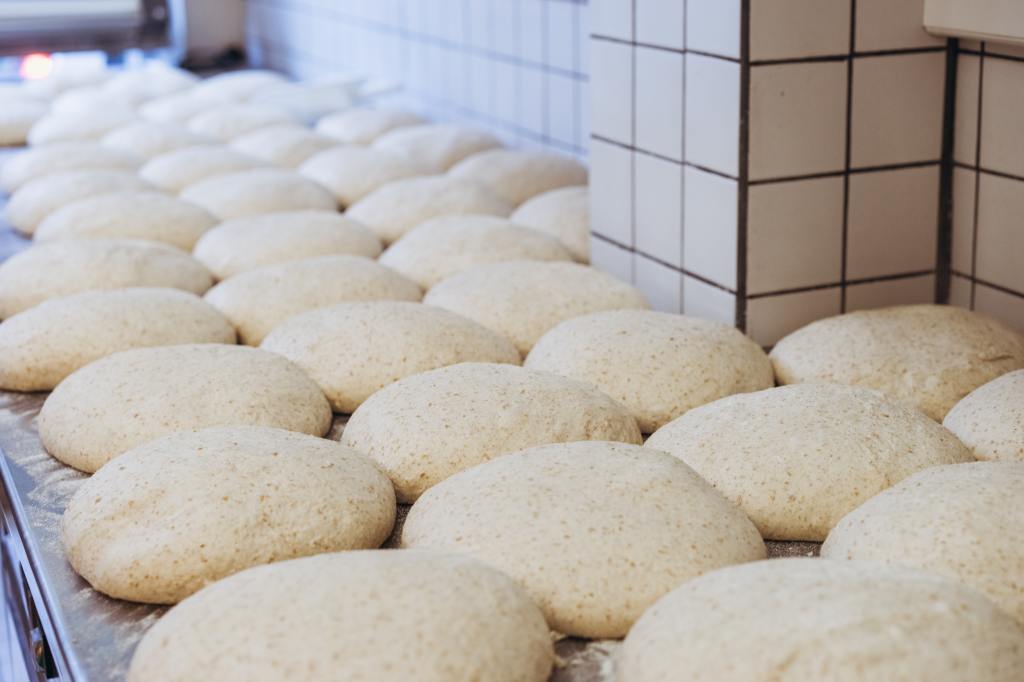
Fermentation is a process by which yeast acts on the sugars and starches in the dough to produce carbon dioxide and alcohol. Gluten becomes smoother and more elastic during fermentation.
The temperature should be between 28°C – 30°C and the relative humidity at 70% to 75% and time for fermentation is decided according to the strength of the flour and the recipe.
If the dough is allowed to over ferment (old dough), the dough becomes soft and sticky and the gluten strands will weaken.
An underfermented dough will produce a loaf of bread with less volume and texture will be close and compact. The bread will dry out soon and will be crumbly due to insufficient conditioning of gluten.
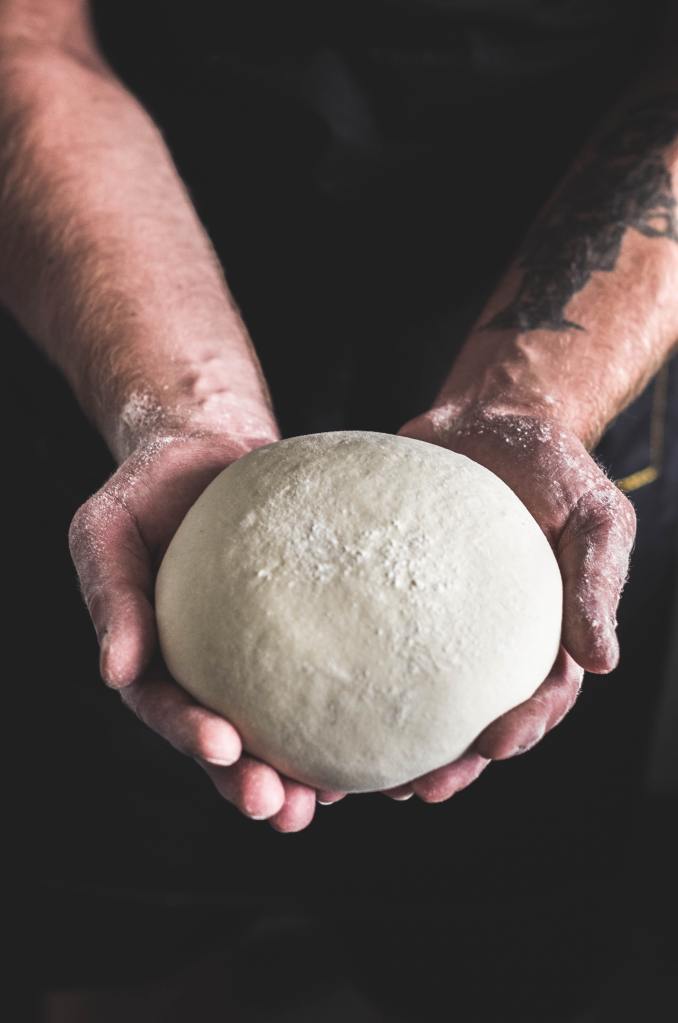
How to check if yeast is working?
Add 1 teaspoon of sugar and 2 1/4 teaspoon of yeast to 1/4 cup of warm water to check if yeast is still active or not. Then, wait 10 minutes. If the mixture bubbles and develops a yeasty aroma, the yeast is still good to go.
Working Temperatures of Yeast
As yeast is a living organism and is sensitive to temperatures.
Storage temperature – 1°C – 4°C Inactive
15°C – 20°C Slow action
20°C – 32°C Best growth
32°C Reaction slows down
60°C Yeast is killed
Types of Yeast
Yeast is available in 3 forms:
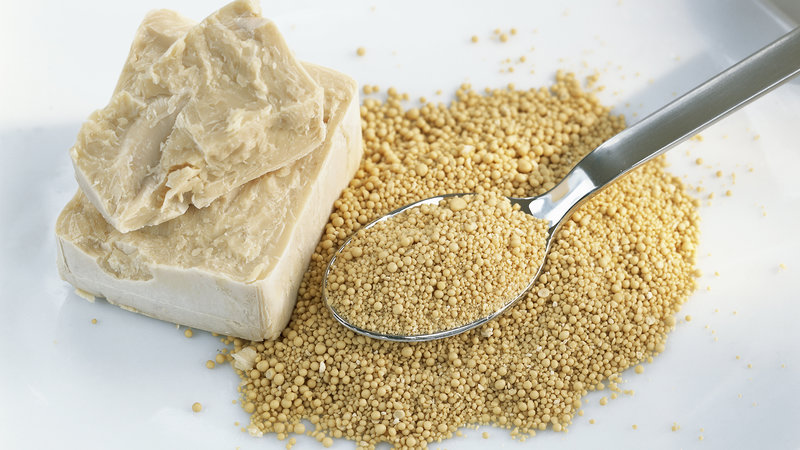
1. Fresh yeast / Compressed / wet yeast is moist and perishable.
2. Active dry yeast is a dry granular form of yeast. It has to be activated before use, i.e. it has to be rehydrated in 4 times water its weight of warm water before use.
3. Instant dry yeast is also a dry granular form of yeast, but it does not have to be dissolved in water before use. It can be added in its dry form because it absorbs water much more quickly than regular dry yeast.
Compressed yeast should be used 2-2.5 times more as compared to dry yeast.
If you have any questions, ask away. For as many novice bakers we have here on the site, there are an equal number of experienced bakers! One of us should be able to help!
Happy Baking Karan’s Bake House
 Karan's Bake House