
Hello pastry friends,
I am here once again to help you understand how chemical leaveners work. Most of the freshers in baking industry only know baking powder and baking soda as a chemical leavener. Today, I will tell you about baking powder, baking soda, cream of tartar and other chemical leaveners.
Yeast is an organic leavener, in which tiny organisms create carbon dioxide bubbles to lift the dough. With the chemical leaveners, powerful chemical reaction takes place to lift the batter.
Baking Powder
Click here to read more about baking powder
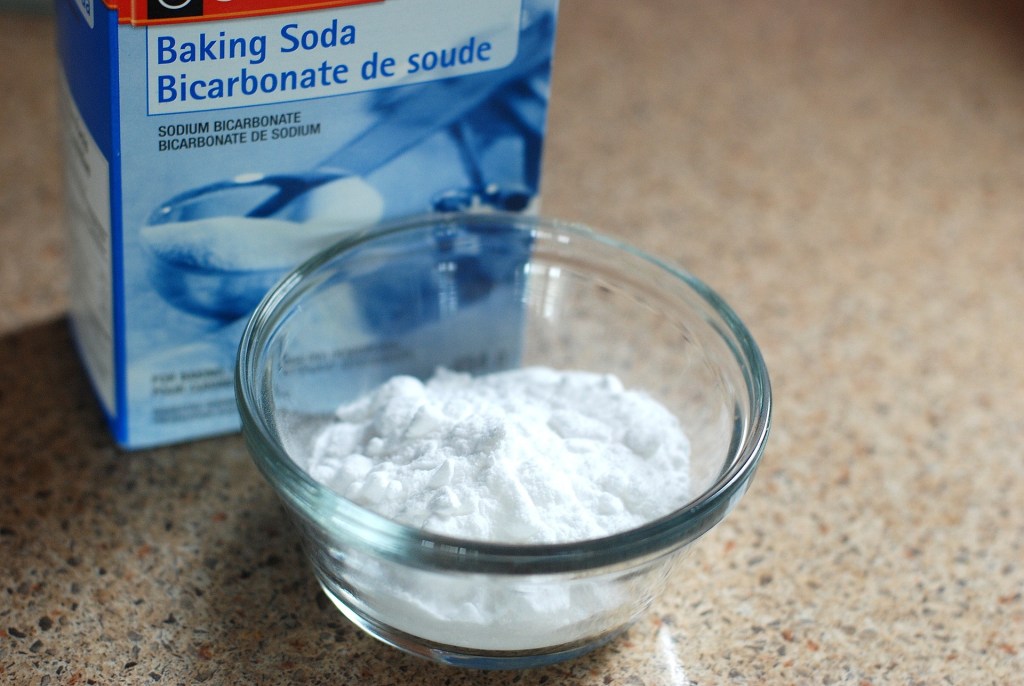
Baking Soda
Click here to read more about baking soda
Cream of Tartar
Cream of tartar is a by-product of the wine-making industry and is derived from tartaric aid. As an acid, it is the counterpart to baking soda and when the two are combined in the presence of water, they create a chemical reaction which produces carbon dioxide. Therefore, most recipes that call for cream of tartar also call for baking soda.
Other Leaveners
There are other chemical leaveners, though they are rarely used in today’s kitchens. In addition, mechanical means are used for leavening. Creaming butter and sugar together entrains air in the batter. Steam is used to lift products. Egg whites are whipped to capture tiny air pockets and thereby lighten products.
Using Chemical Leaveners
There are three mixing methods for using chemical leaveners.
- The Muffin Method :- This method is used for making quick breads, muffins and some cakes. Mix the dry ingredients separately. Mix the wet ingredients separately. Then add the dry ingredients to wet ingredients and mix together and bake. No need to whisk with beater, just mix with spatula and bake.
- The Creaming Method :- The creaming method is the other major mixing method used in making cakes, cookies and muffins. In this method, the sugar is creamed with fat to aerate the batter. Tiny little pockets trap air inside and lift the batter. These little pockets expand with steam in hot oven and with chemical leaveners, that lift the muffin, cake or cookie.
- The Biscuit Method :- This method is used mostly in scones and biscuit recipes and many pasty recipes. In this method the butter is cut into the flour with fork or pastry knife and water or liquid is mixed in just to combine the dough. In the heat of the oven, the butter melts, the water in the butter creates steam, and the product rises into flaky layers.
Do leave a reply if you enjoy reading my blog
Click on the follow button to receive the notifications about new topic.
Till then…..
Happy Baking
Karan Chopra
 Karan's Bake House